Trick Factors to Contrast When Visiting a Memory Care Home
@jaredxmsa032
November 5, 2026 · 19 min read
Business Name: Beehive Homes of Sandy
Address: 9532 S 700 E, Sandy, UT 84070
Phone: (801) 975-5244
Beehive Homes of Sandy
BeeHive Homes of Sandy provides personalized assisted living and memory care in a comfortable residential setting. Our compassionate caregivers deliver attentive daily support focused on dignity, independence, comfort, and quality of life.
9532 S 700 E, Sandy, UT 84070
Business Hours
Touring a memory care home is among those decisions that feels simple on paper and deeply individual in reality. Family members typically begin with a search for "memory care near me," then swiftly understand that the appropriate location is not nearly area or a shiny website. It has to do with whether the environment can support a person that is dealing with dementia, whether staff notification adjustments early, and whether the entire setup really feels calm instead of institutional. That last part matters greater than individuals anticipate. A home can have all the appropriate sales brochures and still feel wrong the moment you walk in.
I have rested with family members who were seeking elder care after an abrupt medical diagnosis and with others that had already tried caring for a parent at home till the stress became excessive. Some were contrasting memory care to respite care due to the fact that they just needed temporary assistance after a health center stay. Others were trying to consider memory care against staying at home a little bit much longer with aid from senior care services. In every case, the tour was where the actual comparison started. The discussion transformed from broad intend to useful concerns: Can this staff group deal with roaming? Do they recognize just how to redirect without humiliating someone? Will my father still get a mug of coffee just the method he suches as it?
The finest excursions do not simply respond to those questions. They reveal you how a neighborhood thinks.
Start with the feeling of the place, not the brochure
Before you inquire about staffing proportions or activity schedules, take notice of just how the home really feels when you get in. Individuals with memory loss are often extra sensitive to sound, crowding, and aesthetic mess than their family members realize. An active lobby, roaring television, or confusing corridor can produce worry fast. An excellent memory care home generally has a calmer rhythm. You might listen to music having fun softly, see personnel speaking in low voices, and notification citizens moving at a calm pace.
Look at the light in the building. Natural light often tends to help with positioning and state of mind, while dark corridors or severe fluorescent lights can make rooms really feel more difficult to browse. Odors matter also. A clean home needs to scent like clean linens, fresh food, or nothing much in all. Solid anti-bacterial, hefty fragrance, or consistent odors can signal much deeper issues.
There is likewise a human sensation that is tougher to call yet difficult to neglect. Do the team seem hurried and strained, or are they present and mindful? Do residents look comfortable? If people are resting quietly, that is not automatically a negative indication. What matters is whether they seem at ease or taken out. A memory care home should not feel like a waiting room.
Ask how the area supports different phases of memory loss
Memory care is not one-size-fits-all. Some citizens are in the very early or center stages of dementia and still appreciate group activities, familiar regimens, and basic choices. Others need a lot more hands-on support with bathing, consuming, toileting, or taking care of anxiousness. Throughout a tour, ask just how the home adjusts care as requirements change.
This is where several households obtain a clearer image of whether a neighborhood truly concentrates on memory care or merely offers it as an add-on. A strong program ought to be able to discuss just how team manage sundowning, frustration, repetitive inquiries, rest interruption, and the stress that can come with loss of language. They must likewise be able to clarify what takes place if a resident's condition changes swiftly. Some neighborhoods can support a broader variety of requirements than others, which difference can influence whether someone can stay put or have to relocate later.
If you are contrasting senior living near me alternatives, do not think every building labeled "memory care" offers the very same deepness of service. One area may be exceptional for early-stage dementia and social engagement, while another may be better outfitted for residents who need more complete supervision. That distinction is worth getting clear on before you authorize elder care anything.
Watch exactly how personnel engage with residents
This might be the single most revealing part of the tour. Credentials and policies matter, yet personnel habits tells you what life is in fact like inside the building.
Pay interest to whether personnel make use of the resident's name, make eye contact, and talk at a calm pace. The very best caregivers do not hurry individuals via a job if they can aid it. They give basic instructions individually, allow additional time for action, and recognize when to go back. If a person is puzzled, they do not say with them. They reroute, assure, and maintain things moving.
You can find out a lot by discovering whether personnel seem to understand the residents as individuals. Maybe one resident likes to fold paper napkins, another constantly requests for tea, and another becomes anxious prior to lunch. Those information are not small. They are what transforms senior care from task conclusion right into actual caregiving.
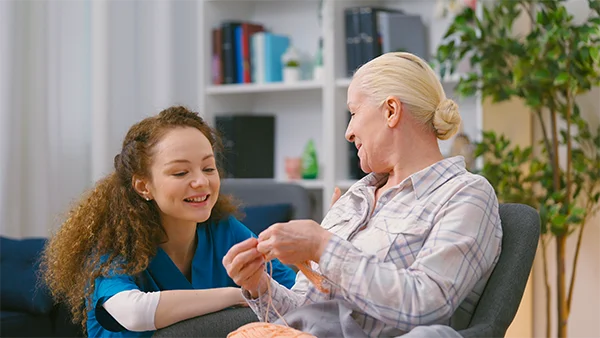
It is additionally worth asking about team training. Not simply whether training exists, but how frequently it happens and what it covers. Dementia care is a skill set. It takes greater than compassion, though compassion is essential. Personnel ought to comprehend communication methods, actions modifications, fall avoidance, and exactly how to react when a resident becomes scared or agitated.
Compare safety features without letting the structure really feel prison-like
Families normally concentrate on safety, and they should. Amnesia can increase the threat of wandering, falls, and medication mistakes. Still, there is a difference between a risk-free setting and one that feels extremely restrictive.
During the tour, notice the exits, secured yards, and wayfinding cues. Some memory care homes utilize shade, contrast, and symbols to help citizens locate their method. Corridor loopholes can lower stumbling blocks and aggravation. Private spaces, if supplied, should be easy to access and developed to reduce confusion. Restrooms ought to have grab bars, good illumination, and clear visual contrast where possible.
Ask regarding wandering safety measures. What does the team do if a resident attempts to leave? Exactly how are doors kept an eye on? Just how frequently are checks made throughout the evening? The solutions should specify, not obscure. A well-run memory care home can explain exactly how it secures residents without making them really feel trapped.
The best areas find a balance. They use discreet safety systems, reasonable designs, and personnel recognition as opposed to producing an environment that looks harsh or extremely locked down. If an area really feels more like a center than a home, focus on that response. Households usually notice the trouble before they can fully describe it.
Notice whether residents have genuine daily structure
People with dementia usually do better with rhythm. That does not mean every min requires to be scheduled. It does suggest the day needs to feel orderly and acquainted. When exploring, ask exactly how morning meal, dishes, activities, remainder time, and bedtime are structured.
A good memory care home will have a predictable flow, yet not a stiff one. Homeowners need to have enough framework to minimize confusion and enough flexibility to preserve self-respect. For instance, a resident who is drowsy after lunch may be able to rest rather than being pushed into a team activity. A person who dislikes huge teams may do much better in an one-on-one activity or a small table task.

This is an area where a tour can expose whether the neighborhood really understands elder care. If the day appears fixated personnel comfort alone, that is a warning sign. If locals have purposeful regimens, also straightforward ones like folding towels, watering plants, or helping set the table, that generally mirrors a healthier culture.
A memory care home should likewise be able to explain just how it deals with hard times of day. Many households know about late-afternoon complication, but fewer ask what occurs during the peaceful hours after dinner or the morning. These are the minutes when a well-designed routine matters most.
Look carefully at dining, since meals tell the truth
Dining is one of the simplest areas to see whether a community is thoughtful or just adequate. I always inform family members to ask to see a dish service ideally, or at the very least to visit the dining room each time when it is in usage. View just how food is layered, exactly how team help people that need help, and whether homeowners seem relaxed or rushed.
For somebody with dementia, nourishment can be hard for factors that are very easy to miss. A loud dining-room can make it tough to focus on eating. A lot of selections can create stress and anxiety. Foods that are as well complicated to take care of can result in frustration or weight-loss. A solid memory care home recognizes this and adjusts accordingly. They may use finger foods, smaller parts, flexible tools, or peaceful seating for residents who do far better with much less stimulation.
Ask just how they deal with hydration and weight monitoring. Dehydration prevails in older grownups, specifically when memory loss affects the capacity to acknowledge thirst. You must additionally ask just how the kitchen manages choices and social experience. A resident may eat better when offered familiar foods, which can make a meaningful difference in everyday comfort.
Dining also provides you a window into regard. Do team sit with locals and motivate them patiently, or do they hover and rush? Do they talk to the person or concerning the person? That difference informs you a lot concerning the home's culture.
Evaluate the activity program with a reasonable eye
Activity schedules can be impressive, yet the actual question is whether the activities are suitable and in fact happen. A lengthy listing of choices is not valuable if locals are also bewildered to join or if the program is primarily built for display.
The ideal memory care activities are usually basic, familiar, and repeatable. Songs, folding towels, arranging things, gardening, art with low disappointment, light motion, and reminiscence activities commonly work well. Some locals like spiritual solutions or pet dog visits. Others like peaceful observation. Excellent team recognize that participation may alter from day to day.
When touring, ask who leads the activities and exactly how citizens are urged to join. If the neighborhood claims they customize involvement by capability, ask for instances. This is additionally a great minute to observe. Are homeowners engaging, grinning, or focused? Or does the activity appear organized and hollow?
Families comparing senior living near me choices usually forget this part due to the fact that it sounds additional to healthcare. It is not secondary whatsoever. For individuals living with dementia, meaningful activity is part of care. It sustains state of mind, rest, appetite, and a feeling of self.
Ask regarding family interaction and transparency
A memory care home can look exceptional throughout a tour and still become frustrating later if family members are left at night. That is why interaction deserves its own conversation. Ask just how the community keeps families informed about adjustments in health, behavior, drug, or mood. Who calls whom, and when?
Good areas have a clear procedure. They do not wait till a small problem ends up being a crisis. If a resident starts dropping more often, declining food, or showing indications of distress, family members need to read about it early. You ought to likewise ask how commonly care strategies are evaluated and whether family members are welcomed to participate.
This issues much more for individuals stabilizing job, parenting, or distance. Some families make use of respite care before making an irreversible action, partially because they wish to examine exactly how well the area communicates. That is a clever technique. Short remains commonly expose more than a one-hour tour ever will.
Transparency likewise includes charges. Do not be timid about asking what is included in the base rate and what prices extra. Medicine monitoring, personal care, urinary incontinence support, transport, and greater degrees helpful can all affect the month-to-month expense. One of the most polished neighborhood is not always the most effective fit if the prices framework is puzzling or full of surprises.
Bring the right questions and count on what you notice
A tour goes far better when you show up with a few grounded inquiries in mind, but the inquiries just matter if you likewise trust your senses. If an area seems great theoretically but makes you uneasy, do not reject that feeling. Households usually know more than they think after the very first visit.
You do not need a lengthy investigation. You need sufficient quality to compare neighborhoods truthfully. These 5 questions normally open up the conversation well:
- How do you sustain homeowners at various stages of memory loss?
- What type of dementia-specific training do staff receive?
- How do you deal with wandering, drops, and nighttime supervision?
- What does a regular day appear like here, from breakfast to bedtime?
- How do you maintain households upgraded when a resident's demands change?
Those concerns are only a beginning factor, but they tend to disclose whether an area is organized, candid, and experienced.
There is also value in returning momentarily visit at a different time of day. A structure can really feel tranquil at 10 a.m. And really various at 4 p.m. When people are worn out and the late-day uneasyness begins. If you can, come back when the dining-room is active or when less staff are on obligation. Real-life problems matter greater than the sleek tour path.
The role of self-respect in everyday care
Dignity can be easy to miss out on since it seldom appears on a list. Yet it is typically the important things family members remember most as soon as the formal information obscure with each other. Self-respect is whether staff knock prior to going into a room. It is whether a resident obtains a tidy shirt instead of being left in something stained. It is whether someone is offered time to complete a thought, also if the sentence wanders.

When touring, try to find indications that the home protects dignity in small methods. Are residents worn routine clothes rather than hospital-style clothing? Are individual things showed in such a way that makes rooms feel familiar? Do team make an initiative to protect privacy throughout individual care? These details might seem refined, but they impact how a person experiences each day.
For households that have been providing care in the house, this can be a challenging change. Numerous adult kids fret that relocating a parent right into memory care suggests losing distance. Often the opposite occurs. When the right community takes control of the daily pressure, households can return to being children, boys, spouses, or grandchildren once again. That is not a small thing. It is just one of the greatest benefits of expert elder care.
Choosing memory care is hardly ever a clean, simple choice. It is a process of comparing safety, heat, staffing, structure, and sincerity, then considering all of it versus the distinct individuality and needs of the individual that will certainly live there. A building might be lovely and still not fit. Another may be modest however deeply qualified, and that can matter more in the long run.
If you are touring memory care homes currently, let yourself observe both the apparent and the small. Notice the way individuals talk with one another. Notice whether the residents seem cleared up. Notice whether the place supports self-reliance where it can and aid where it must. The right home will not just check boxes. It will feel like an area where someone can deal with less fear and even more solidity, also on the tough days.
Beehive Homes of Sandy provides assisted living care
Beehive Homes of Sandy provides memory care services
Beehive Homes of Sandy provides respite care services
Beehive Homes of Sandy supports assistance with bathing and grooming
Beehive Homes of Sandy offers private bedrooms with private bathrooms
Beehive Homes of Sandy provides medication monitoring and documentation
Beehive Homes of Sandy serves dietitian-approved meals
Beehive Homes of Sandy provides housekeeping services
Beehive Homes of Sandy provides laundry services
Beehive Homes of Sandy offers community dining and social engagement activities
Beehive Homes of Sandy features life enrichment activities
Beehive Homes of Sandy supports personal care assistance during meals and daily routines
Beehive Homes of Sandy promotes frequent physical and mental exercise opportunities
Beehive Homes of Sandy provides a home-like residential environment
Beehive Homes of Sandy creates customized care plans as residents’ needs change
Beehive Homes of Sandy assesses individual resident care needs
Beehive Homes of Sandy accepts private pay and long-term care insurance
Beehive Homes of Sandy assists qualified veterans with Aid and Attendance benefits
Beehive Homes of Sandy encourages meaningful resident-to-staff relationships
Beehive Homes of Sandy delivers compassionate, attentive senior care focused on dignity and comfort
Beehive Homes of Sandy has a phone number of (801) 975-5244
Beehive Homes of Sandy has an address of 9532 S 700 E, Sandy, UT 84070
Beehive Homes of Sandy has a website https://beehivehomes.com/locations/sandy/
Beehive Homes of Sandy has Google Maps listing https://maps.app.goo.gl/gxoX9vT5PFH9mJTP9
Beehive Homes of Sandy won Top Assisted Living Homes 2025
Beehive Homes of Sandy earned Best Customer Service Award 2024
People Also Ask about Beehive Homes of Sandy
What does assisted living cost at BeeHive Homes of Sandy?
BeeHive Homes of Sandy offers all-inclusive assisted living pricing. That means one straightforward monthly rate covering personal care, home-cooked meals, housekeeping, laundry, and daily support, with no hidden costs or surprise fees. Because we offer seasonal pricing and current availability can change, we invite families to call for up-to-date rates and any current offers. Before move-in, our team completes a personalized assessment of health, mobility, medication, and activities-of-daily-living needs, so we can confirm the right care plan and share clear pricing for your family.
Can residents remain at BeeHive Homes as their care needs change?
Yes. In almost all cases, residents can remain at BeeHive Homes of Sandy as their care needs change, aging in place in a familiar, homelike environment. Because we coordinate with third-party home health and hospice providers, residents can receive added care right in the home rather than relocating. It is very rare for a resident to need to move, and that typically happens only when someone requires continuous skilled nursing or hospital-level care beyond what an assisted living or memory care home can safely provide.
Is a nurse available at BeeHive Homes of Sandy?
Yes. BeeHive Homes of Sandy has a nurse who provides day-to-day oversight of residents and works directly with each resident's own physicians and healthcare providers to continue the best possible care. Residents may keep seeing their preferred doctors, and when ordered by a medical provider, home health, therapy, or hospice services can often be delivered directly in the home. Caregiver support is available 24 hours a day.
What are the visiting hours at BeeHive Homes of Sandy?
Visit anytime. At BeeHive Homes of Sandy, we would rather family come too often than not often enough, because strong family relationships are an important part of every resident's well-being. We simply ask that visits be respectful of the other residents who live here, along with each resident's meals, rest, and care schedule. If you would like to come very early or very late, just let us know in advance and we will make it work.
Are rooms available for couples at BeeHive Homes of Sandy?
BeeHive Homes of Sandy may have room options for couples who wish to remain together while receiving senior care. Availability depends on current openings, room size, and the care needs of both individuals. Please contact our team to discuss available accommodations and find the best fit for your family.
What services are provided at BeeHive Homes of Sandy?
BeeHive Homes of Sandy provides personalized assistance with bathing, dressing, grooming, mobility, medication management, meals, housekeeping, laundry, and other activities of daily living. Residents also enjoy private rooms, home-cooked meals, engaging senior activities, and caregiver support available 24 hours a day, all in a smaller, residential-style setting that feels like home.
Does BeeHive Homes of Sandy offer memory care and respite care?
Yes. BeeHive Homes of Sandy offers both memory care and assisted living. Our memory care supports residents living with Alzheimer's disease, dementia, or other cognitive changes. Short-term respite care is also available for recovery periods, caregiver relief, or families who want to experience BeeHive Homes before considering a long-term move. Availability and suitability are determined through an individual assessment.
How can I schedule a tour of BeeHive Homes of Sandy?
Call (801) 975-5244 to schedule a tour of BeeHive Homes of Sandy anytime. A personal visit is often the best way to experience our calm, homelike atmosphere, meet our caregivers, see the private rooms and shared spaces, and ask questions about assisted living, memory care, or respite care in Sandy, Utah. We would love to help you decide whether BeeHive Homes is the right next step for someone you love.
Where is Beehive Homes of Sandy located?
Beehive Homes of Sandy is conveniently located at 9532 S 700 E, Sandy, UT 84070. You can easily find directions on Google Maps or call at (801) 975-5244 Monday through Sunday Open 24 hours
How can I contact Beehive Homes of Sandy?
You can contact Beehive Homes of Sandy by phone at: (801) 975-5244, visit their website at https://beehivehomes.com/locations/sandy/
El Puerto Veracruz Mexican Cuisine is a convenient gathering place for families visiting loved ones in Assisted living, memory care, senior care, elderly care, and respite care.